
Let’s be honest with each other for a second: Lunch is the nemesis of the gluten-free life.
Breakfast is easy (eggs, yogurt, fruit). Dinner is manageable because you’re in your own kitchen with your own safe cutting boards. But lunch? Lunch is where the wheels fall off.
I’ve been writing about food for 20 years, and I’ve been navigating gluten-free eating for a good chunk of that. I know the specific heartbreak of packing a gluten-free sandwich at 7:00 AM, only to open it at noon and find that the bread has disintegrated into a pile of dry, crumbly sadness. Or the financial pain of forgetting your lunch and realizing your only option near the office is a $17 salad that leaves you hungry an hour later.
We are done with that.
If you look at what’s happening in food right now—from the “Dense Bean Salad” taking over TikTok to the “Adult Lunchable” aesthetic on Instagram—the trend is actually shifting away from bread. This is great news for us. It means the most delicious lunches right now are naturally gluten-free, not forced substitutes.
Here is how to hack your lunch hour, save money, and actually look forward to opening your Tupperware.
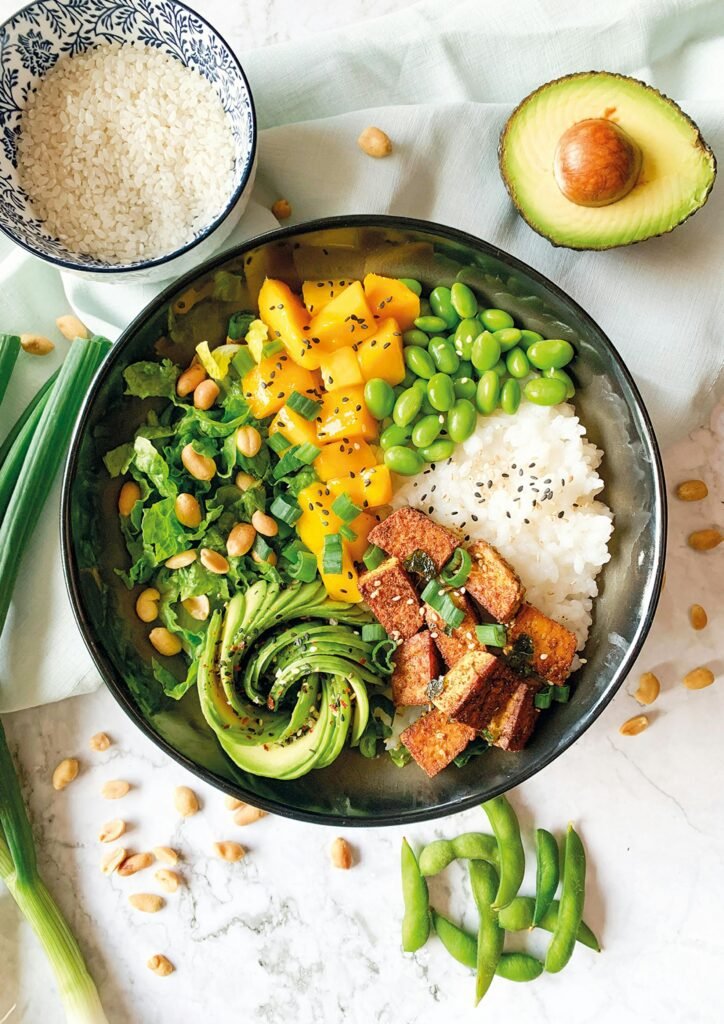
1. The “Dense Bean Salad” (Why Lettuce is the Enemy)
We need to talk about why most meal-prep salads fail. It’s the lettuce. If you dress a leafy green salad at 7:00 AM, it is slime by noon. If you pack the dressing separately, it’s just another container to wash.
Enter the “Dense Bean Salad.”
This concept is currently taking over social media feeds for a reason. It relies on sturdy ingredients that actually get better as they sit in the dressing. We are talking chickpeas, white beans, cucumbers, bell peppers, and feta. Because gluten-free diets often lack fiber (since we miss out on whole grains), this is a nutritional powerhouse that keeps you full until dinner.
The “Grinder” Salad (The Breadless Version)
You know that viral Italian Grinder sandwich that was everywhere last year? This is all the fillings, none of the bread.
The Base: Rinse a can of chickpeas and a can of white beans.
The Flavor Bomb: Chop up pepperoni or salami (check the label, but most are GF), provolone cheese cubes, red onion, and—this is crucial—plenty of pickled pepperoncini peppers.
The Dressing: Mix mayo, red wine vinegar, dried oregano, garlic, and a splash of the spicy brine from the pepperoncini jar.
You can make a massive bowl of this on Sunday night. It will taste good on Monday, but it will taste incredible on Thursday. It’s sturdy, cheap, and safe.
2. The “Adult Lunchable” (Bento Box Strategy)
Sometimes, you just don’t have the mental energy to cook a “meal.” You just want to graze. The “Adult Lunchable” is the perfect solution for this.
The biggest thing most people miss when they go gluten-free is the crunch. Gluten-free substitutes are often soft, mushy, or gummy. A bento box allows you to reintroduce that necessary texture.
The 4-Quadrant Rule
To make this satisfying (and not just a snack), you need a balance:
The Protein: Hard-boiled eggs, rolled turkey slices, or cubes of sharp cheddar.
The Dip: This binds the meal. Hummus, guacamole, or a dairy-free tzatziki.
The Vehicle (Crucial): This is where you spend your money. Don’t buy cheap GF crackers; they taste like cardboard. Splurge on the high-quality seed crackers or almond flour crackers that actually have a snap to them.
The Freshness: Snap peas, grapes, or apple slices.
Pro-Tip: If you pack crackers in the fridge with moist fruit, they will get soggy. Wrap your crackers in a small piece of foil or a silicone muffin liner and tuck them inside the box to keep them crisp.
3. The “Instant Noodle” Upgrade
Remember Cup Noodles? They were the ultimate convenience food, and they are basically pure wheat. However, the Asian grocery aisle is a goldmine for gluten-free eaters.
Rice noodles (vermicelli), glass noodles (made from mung beans), and 100% buckwheat soba noodles are naturally gluten-free and cook almost instantly.
The DIY “Just Add Water” Jar
This is a meal prep trick that will make your coworkers jealous. You need a heat-proof mason jar (16oz or larger).
Bottom Layer: A tablespoon of GF Miso paste, a teaspoon of chili oil, and a splash of Tamari (never soy sauce!).
Middle Layer: Frozen peas, corn, shredded carrots, or shelled edamame.
Top Layer: A nest of thin vermicelli rice noodles or a brown rice ramen cake.
At Lunch: You just pour boiling water from the office kettle into the jar, screw the lid on, and wait 5 minutes. Shake it up and eat.
It’s fresh, it’s hot, and it costs about $1.50 per serving compared to the $15 takeout pho.
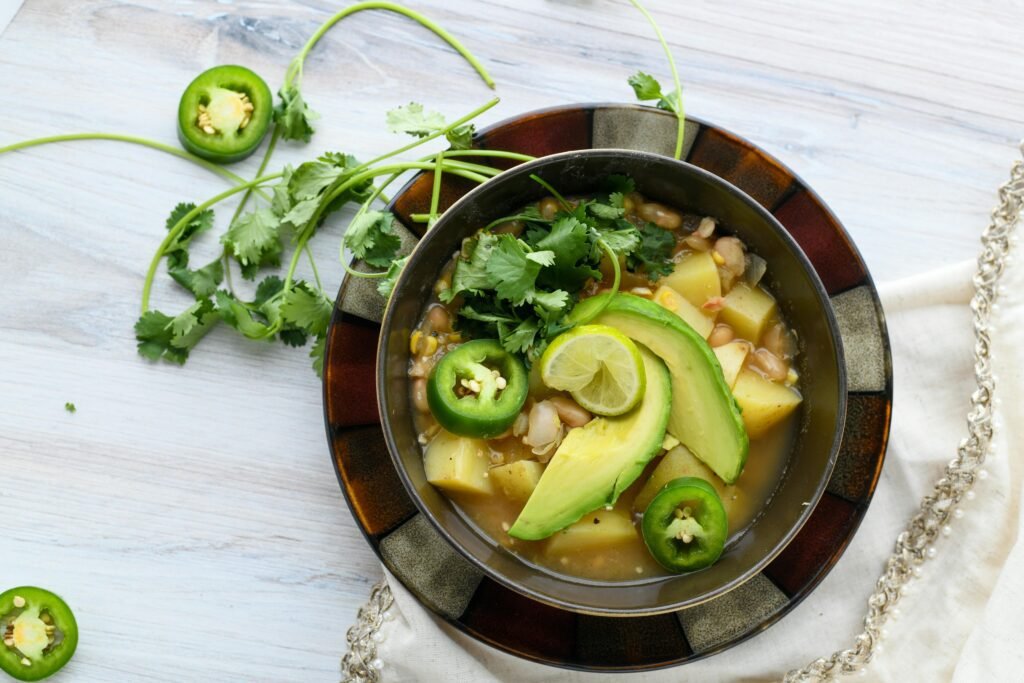
4. The “Low Spoon” Lunch (For High Fatigue Days)
We’ve all had those mornings where the alarm goes off and we just can’t. In the chronic illness community, these are called “low spoon” days. On these days, you are not chopping onions or whisking vinaigrettes. You need “assembly only” lunches.
The Grocery Store Grab
If you have to run into a supermarket on your lunch break, skip the pre-made sandwiches (which you can’t eat anyway). Go for the “Assembly” method:
The Slaw Hack: Buy a bag of pre-washed broccoli slaw or coleslaw mix. Open a tin of flavored tuna (lemon pepper or sundried tomato). Dump the tuna into the bag. Shake. Eat with a fork. It’s not Michelin-star dining, but it’s high protein and completely safe.
The Rotisserie: Grab a hot rotisserie chicken and a microwave rice cup (most are GF, just check the ingredients). Shred the meat, heat the rice, and you have a warm meal.
The “Girl Dinner” Plate: A block of cheese, a bag of almonds, and a banana. It’s balanced, it requires zero prep, and it works.
5. If You Must Have a Sandwich…
Okay, sometimes the craving hits and you just really need a sandwich. The problem is that gluten-free bread is technically “bread,” but functionally, it’s a sponge.
If you are packing a sandwich, you have to follow the “Toast Rule.” Gluten-free bread must be toasted to be palatable. But if you toast it at 7 AM, it is hard as a rock by noon.
The Alternatives:
Corn Tortillas: They are cheap and naturally GF. But don’t eat them raw! Dry-fry them in a skillet for 30 seconds before packing. They become pliable and sweet. Make taco wraps instead of sandwiches.
Lettuce Cups (The “Unwich”): Use Iceberg lettuce. Not Romaine, not Butter lettuce. You need the high water content and structural integrity of Iceberg to hold lunch meat and cheese without ripping.
Sweet Potato Toast: It sounds like a Pinterest fail, but it works. Slice a sweet potato lengthwise into planks. Roast them until tender. Use these planks as your “bread” for an open-faced sandwich with avocado and bacon. It holds up surprisingly well at room temperature.
A Note on the Office Kitchen
If you have Celiac disease or high sensitivity, the communal office kitchen is a danger zone. Crumbs are everywhere.
Protect your vessel. Don’t put your food directly on the counter. Don’t use the communal sponge to wash your fork (it’s full of wheat pasta residue from your coworker’s lunch). Invest in a good thermos for hot food so you don’t have to use the communal microwave. If you must use the microwave, use a lid or a paper towel to cover your food—the “explosion” of spaghetti sauce on the microwave ceiling from the person before you can drip into your meal.
The key to loving your gluten-free lunch is to stop comparing it to a baguette. Once you embrace the variety of bowls, bentos, and dense salads, you realize that the “limitation” actually forces you to eat more colorful, flavor-packed food.
FAQ – Gluten-Free Lunch Recipes
1. What can I eat for lunch if I’m gluten-free?
You can enjoy bowls with rice or quinoa, hearty bean salads, gluten-free wraps, rice paper rolls, vegetable soups, omelette cups, baked potatoes, and protein-packed leftovers. The key is choosing naturally gluten-free ingredients like vegetables, meats, beans, eggs, dairy, and certified gluten-free grains.
2. What is the easiest gluten-free lunch to prepare?
Some of the quickest options include egg fried rice, chickpea salad with gluten-free crackers, quinoa bowls with roasted vegetables, tuna salads, and rice paper rolls. These can be made in under 15 minutes.
3. Are gluten-free lunches healthy?
Yes—gluten-free lunches can be incredibly nutritious when they focus on whole foods like lean proteins, vegetables, beans, fruits, nuts, and gluten-free whole grains. Highly processed gluten-free packaged foods offer convenience but aren’t always healthier.
4. What can replace bread in a gluten-free lunch?
You can use gluten-free tortillas, lettuce wraps, rice paper sheets, corn tortillas, baked sweet potatoes, quinoa patties, or even stuffed peppers. These options hold fillings well and add more nutrients than traditional bread.
5. What should I avoid to keep a lunch fully gluten-free?
Avoid wheat, barley, rye, regular soy sauce, wheat-based noodles, non-certified oats, and any breaded or fried foods made with wheat flour. Always check labels—many sauces, soups, and seasonings contain hidden gluten.
6. How do I make gluten-free lunches more filling?
Add a balance of protein (chicken, beans, tofu, eggs, tuna), healthy fats (avocado, nuts, olive oil), and slow-digesting carbs (sweet potatoes, quinoa, brown rice). Texture boosters like roasted chickpeas or seeds also help make meals more satisfying.
7. Can I meal-prep gluten-free lunches for the whole week?
Absolutely. Cook a batch of rice or quinoa, roast vegetables, assemble bean salads, or prep rice paper rolls. Store dressings separately and keep meals in airtight containers to stay fresh for 3–4 days.
8. Are gluten-free wraps good for lunch boxes?
Yes, most gluten-free wraps hold up well when lightly warmed before filling. They work with halloumi, chicken, hummus, tuna salad, or roasted vegetables. Wrap tightly in foil to prevent cracking.
9. What sauces are safe for gluten-free lunches?
Tamari (not regular soy sauce), homemade vinaigrettes, pesto, yogurt-based dressings, chili sauces labeled gluten-free, most salsas, and mayo are typically safe. Always read labels since some brands include wheat.
10. Are rice paper rolls gluten-free?
Yes, rice paper wrappers are naturally gluten-free. Just make sure your fillings and dipping sauces use gluten-free ingredients like rice noodles, veggies, shrimp, tofu, and tamari-based sauces.